
Weft Knit vs. Warp Knit: Which Structure Fits Your Activewear Program?
Weft and warp knitting create different structures, production characteristics, and performance possibilities. The better choice depends on the garment, stretch direction, stability, surface, weight, and commercial target.
1. How the two knitting systems differ
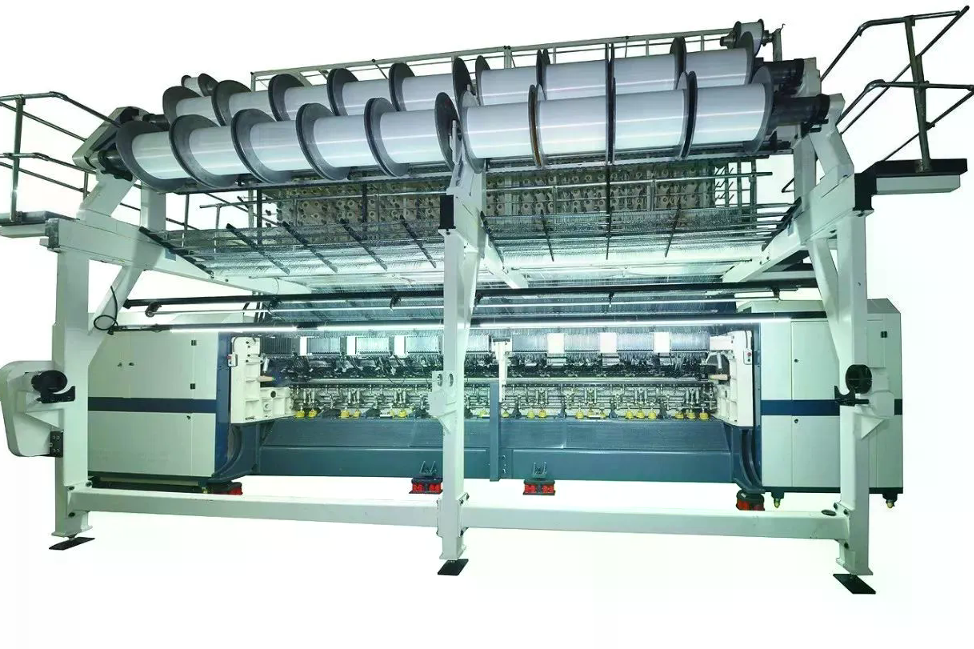
Weft knitting builds loops horizontally across the fabric, making it generally more stretchable. Warp knitting builds loops vertically, creating a more stable, ladder-resistant structure.
2. Where weft knits are commonly useful
Weft knits are ideal for garments requiring high stretch and comfort, such as yoga leggings, seamless tops, and everyday activewear.
3. Where warp knits are commonly useful
Warp knits excel where dimensional stability and durability are paramount, such as compression wear, swimwear, and specialized sports uniforms.
4. Questions to ask about stretch and dimensional stability
Do you need four-way stretch or just two-way? How much should the fabric 'hold' the wearer? Warp knits often provide a firmer hold.
5. Why finishing and end use still matter
The knitting method is only the foundation. Brushing, peaching, and other finishing techniques will ultimately dictate the hand feel and end use.
6. How to compare sample options
Evaluate both types in garment form. Test for recovery after stretching, pilling resistance, and overall drape.
Structure should be selected from the product brief, not from a trend label. A clear comparison of use, performance, appearance, and cost will lead to a stronger decision.